Inventory-first thinking
Begin every list by accounting for what you already own. This prevents duplicate purchases and encourages use of existing ingredients before buying replacements.
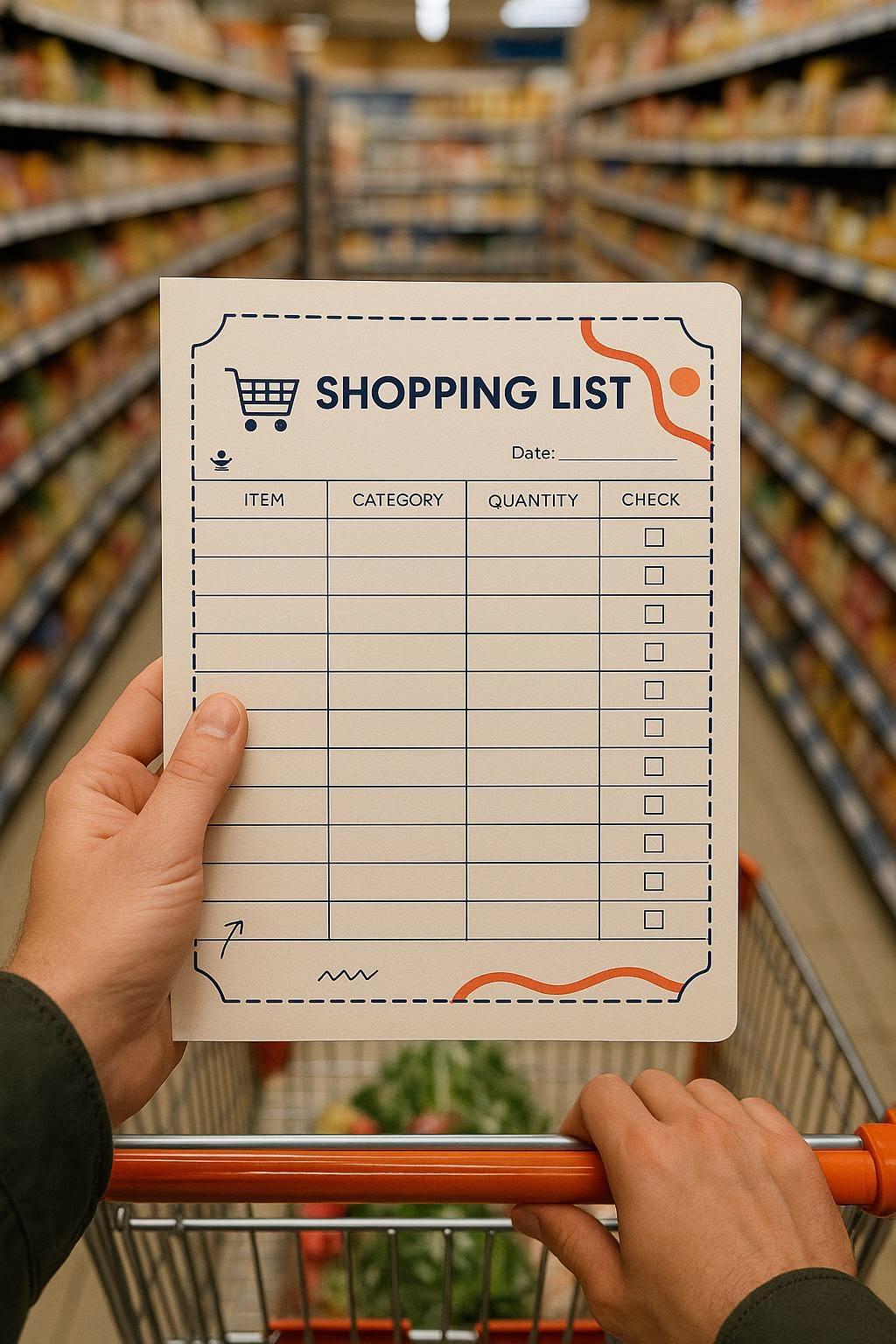
Our smart planning resources explain how to construct shopping lists that reflect household needs. This page contains general educational information only and is not professional advice of any kind.
Ask About Our ResourcesIllustrative planning principle
"A well-structured list can reduce decision fatigue at the store. The aim is clarity before you arrive, not perfection in every detail."— Internal planning methodology summary, Bioslllife
Begin every list by accounting for what you already own. This prevents duplicate purchases and encourages use of existing ingredients before buying replacements.
Plan three to five anchor meals for the week while leaving space for leftovers, simple preparations, or unplanned dining. Rigidity often leads to unused groceries.
Order list items to match your preferred store layout. Walking the aisles in sequence reduces backtracking and supports a focused shopping experience.
Record approximate quantities based on past consumption rather than optimistic estimates. Adjust incrementally over several weeks as patterns become clearer.
Each format has practical advantages. The appropriate choice depends on household preferences, tech comfort, and whether multiple people contribute to the list.
Allocate approximately twenty minutes for your initial weekly planning session. Once the routine is established, experienced planners often complete the process in under ten minutes.
Collect recipe ideas, calendar events, and pantry notes in one place. A single notebook or shared document prevents scattered information.
Organise items into produce, dairy, proteins, pantry staples, frozen goods, and household supplies. Add custom categories that match your regular purchases.
Wait at least twenty-four hours before finalising. During this period, household members can suggest additions or flag items already in stock.
Recognising unhelpful patterns is the first step toward a more effective routine. These observations come from general household feedback, not clinical studies.
Impulse purchases increase when no written plan exists. Even a brief list with five to eight items provides meaningful direction.
Scheduling seven distinct dinners each week can lead to ingredient overload. Flexible frameworks may help limit unused items, though amounts vary by household.
Non-perishable staples often follow predictable pricing patterns. Buying during regular promotions may support lower average spending over time, though savings are not guaranteed.
Purchasing bulk quantities without adequate refrigerator or pantry space creates spoilage risk. Match purchase volumes to available storage and consumption rates.
Detailed breakdowns of produce, pantry staples, and household items with seasonal availability notes for Australian shoppers.
View Grocery GuidesSend a message to learn about optional planning sessions and how fees are quoted before any paid engagement.
Get in TouchReturn to our main page for a broader introduction to Bioslllife and our educational mission.
Back to HomeFree articles on this website explain organisational approaches for grocery lists. Optional paid worksheets and planning sessions are available — contact us for current pricing.
Send an Inquiry