Fresh proteins
Plan consumption within two to three days of purchase or freeze promptly. Label frozen items with dates for easy identification.
Reference materials covering produce selection, pantry essentials, and household supply categories. All information is general in nature, intended for educational use across Australia, and is not dietary or nutritional advice.
Guide revision date:
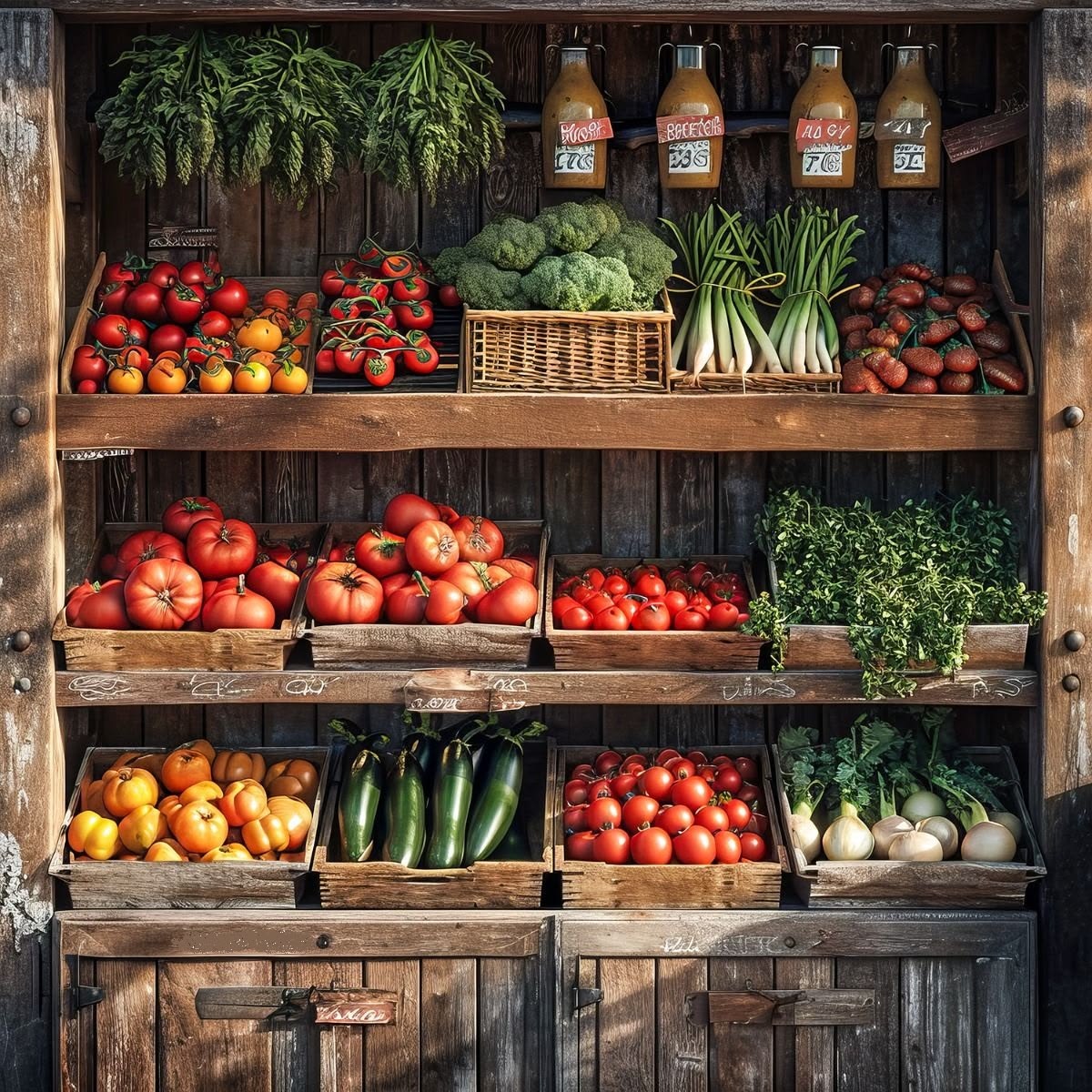
Australian growing regions produce different harvests throughout the year. Aligning purchases with local seasons may offer fresher ingredients and more predictable retail pricing, though availability is not guaranteed.
Protein sources vary in shelf life and storage requirements. Our guides describe general purchasing and storage practices for organisational purposes only — not health or nutrition recommendations.
Plan consumption within two to three days of purchase or freeze promptly. Label frozen items with dates for easy identification.
Frozen fish, poultry, and plant-based options offer flexibility for households with unpredictable schedules.
Tinned fish, dried legumes, and nuts provide pantry-based protein sources suitable for long-term storage.
Including household essentials in your planning prevents separate emergency shopping trips.
Greater choice of specialty retailers and extended operating hours. Online delivery services are widely available in major cities including Brisbane, Sydney, and Melbourne.
Major supermarket chains serve most regional towns. Farmers markets may operate on limited schedules, making advance planning particularly valuable.
Supply chains may involve longer transit times. Non-perishable staples and frozen goods often form a larger proportion of regular purchases.
Fresh seafood is readily accessible along the Gold Coast and surrounding areas. Seasonal tropical fruits appear in local markets throughout warmer months.
Pair these free category references with our smart planning articles for a structured approach to grocery list organisation.